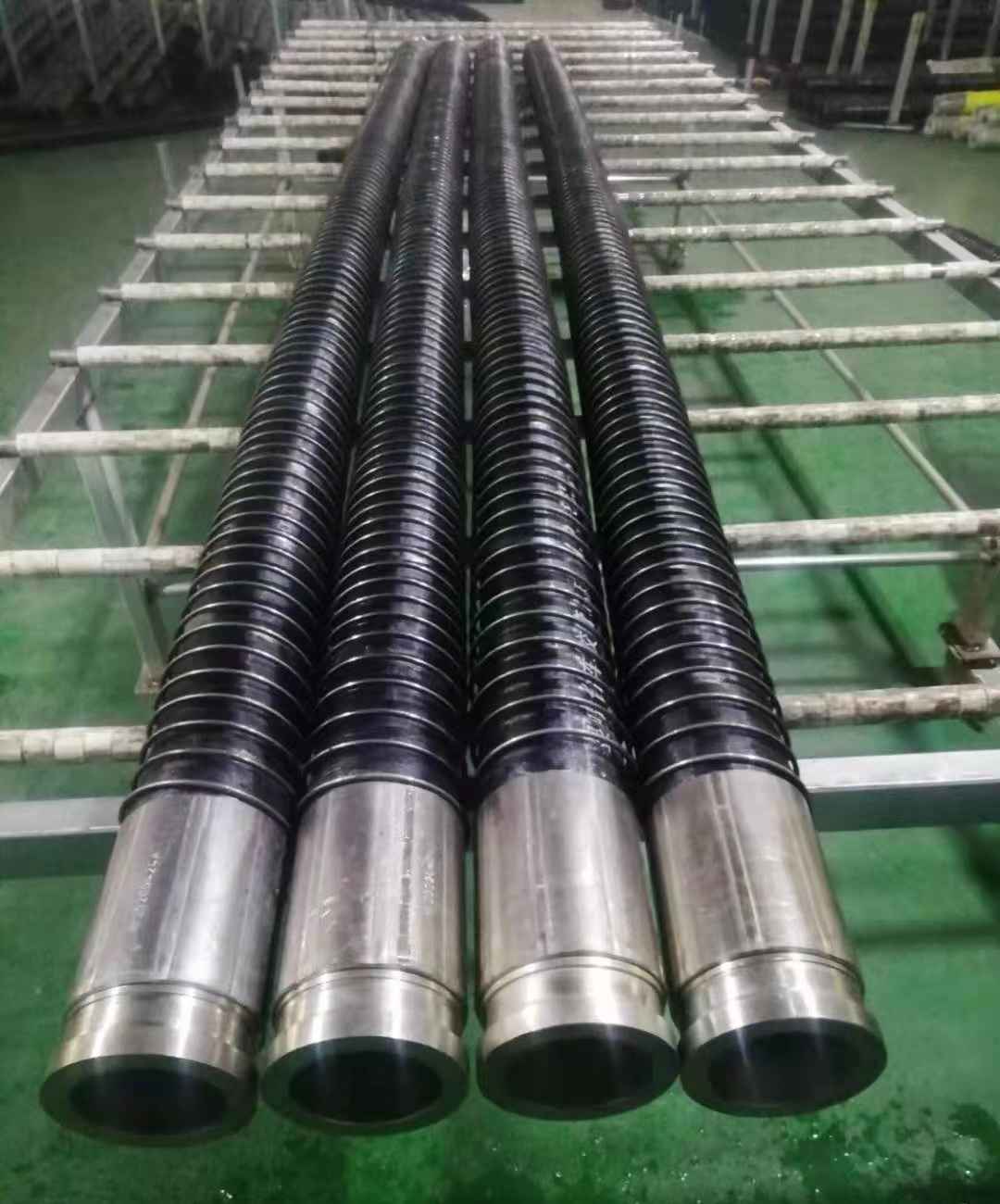
Trench Cutter Slurry Hose: Complete Selection Guide for Diaphragm Wall Projects

Selecting the right trench cutter slurry hose is essential for successful diaphragm wall construction and deep foundation projects. This comprehensive guide covers everything engineers and contractors need to know about choosing, using, and maintaining high-performance slurry hoses for trench cutting operations.
What Is a Trench Cutter Slurry Hose?
A trench cutter slurry hose is a specialized high-pressure hose designed to transport bentonite slurry, drilling mud, and excavated materials in trench cutting and diaphragm wall construction. These heavy-duty hoses connect to trench cutter machines, slurry pumps, and desanding equipment to maintain slurry circulation during deep wall excavation.
Manufactured with abrasion-resistant rubber compounds and multiple reinforcement layers, quality slurry hoses withstand the harsh conditions of underground construction. They typically operate at pressures up to 50 bar while handling abrasive slurries containing bentonite, sand, and rock particles.
Key Specifications and Dimensions
Standard Sizes
Trench cutter slurry hoses typically range from DN100 (4 inches) to DN200 (8 inches) in diameter. The most common sizes for diaphragm wall projects are DN125 and DN150, matching standard trench cutter machine connections.
Pressure Ratings
Quality slurry hoses operate at working pressures of 20-50 bar, with burst pressures significantly higher. This ensures safe operation under demanding slurry pumping conditions.
Length Configurations
Standard hose lengths range from 3 meters to 10 meters, with customized lengths available for specific project requirements. End fittings include heavy-duty flanges or hammer unions compatible with major trench cutter manufacturers.
Temperature and Chemical Resistance
Industrial-grade slurry hoses function effectively from -20?C to +60?C and resist chemical degradation from bentonite slurries and drilling additives.
Applications in Diaphragm Wall Construction
Slurry Circulation
Trench cutter slurry hoses maintain continuous circulation of bentonite slurry during wall excavation. This stabilizes the trench walls and transports excavated spoil to the surface.
Cutter Soil Mixing (CSM)
CSM applications utilize specialized slurry hoses to inject binding agents and mix them with in-situ soil, creating continuous soil-cement walls for ground improvement.
Hydro Mill Operations
Deep foundation projects using hydro mill technology rely on high-pressure slurry hoses to manage slurry inflows and outflows during rock excavation.
Desanding and Separation
Slurry hoses connect trench cutters to desanding plants, enabling efficient separation of excavated solids from reusable bentonite slurry.
Material Construction Features
Inner Tube Composition
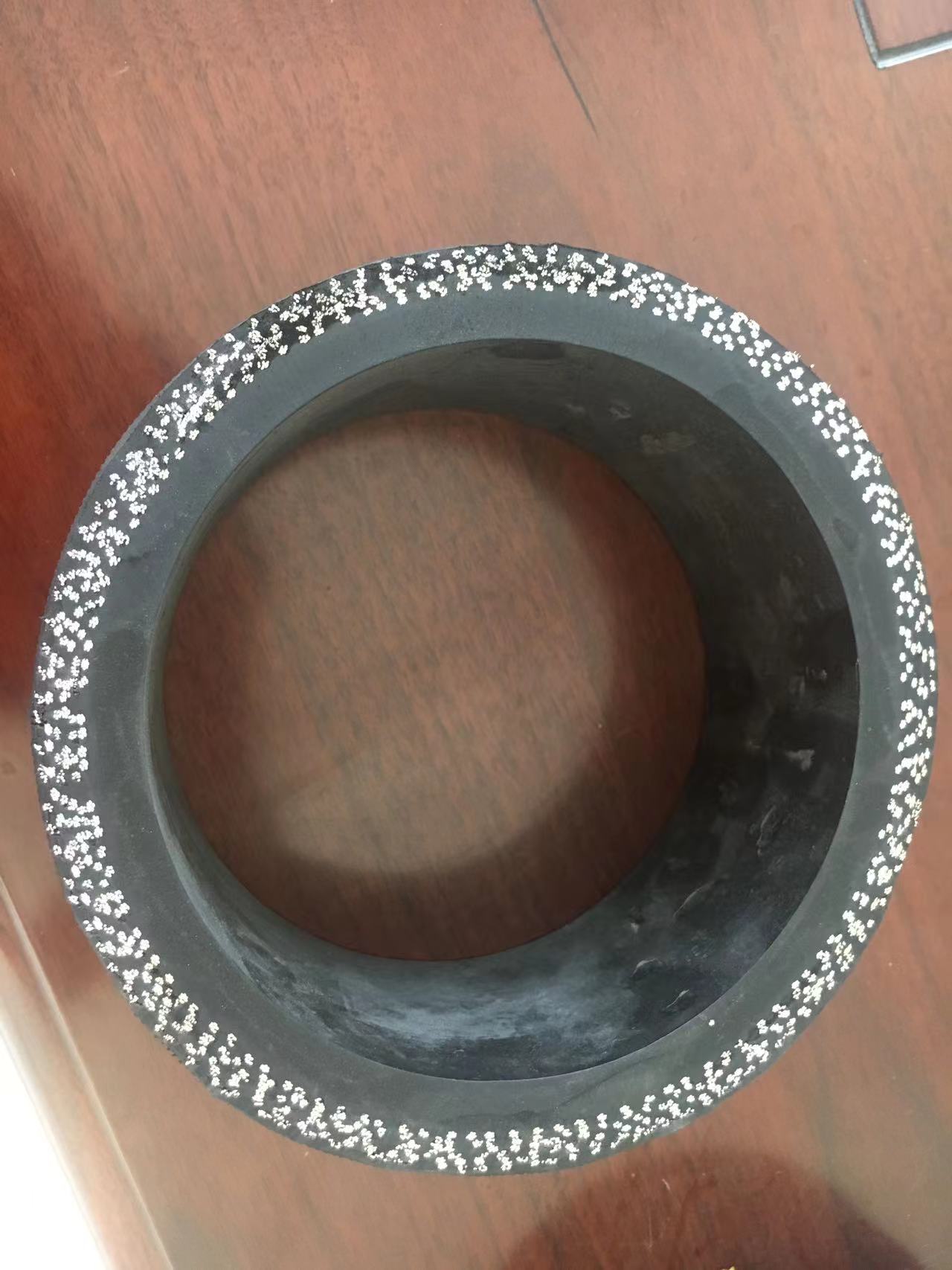
The inner lining uses specialized rubber compounds (NR, SBR, or NBR) with exceptional abrasion resistance. This layer directly contacts abrasive slurries and must withstand constant wear from sand, gravel, and rock particles.
Reinforcement Layers
Multiple layers of high-tensile steel wire or synthetic textile braiding provide structural strength and pressure containment. This prevents hose expansion under high-pressure pumping operations.
Outer Cover
Weather and ozone-resistant rubber compounds protect reinforcement layers from environmental damage, UV exposure, and physical abrasion during handling on construction sites.
End Fittings
Reinforced steel flanges or malleable iron hammer unions are permanently bonded to hose ends, creating secure connections that prevent leakage under high-pressure slurry pumping.
How to Select a Trench Cutter Slurry Hose
When sourcing slurry hoses for diaphragm wall projects, engineers should evaluate:
Manufacturer Expertise
Select suppliers with documented experience in slurry hose manufacturing. Companies with proven track records in deep foundation projects offer superior product consistency and technical support.
Abrasion Resistance Ratings
Request test data comparing hose lining wear rates against industry standards. Premium hoses demonstrate significantly longer service life under identical slurry conditions.
Pressure Test Certification
Ensure hoses come with pressure test documentation and quality certifications (ISO 9001). This guarantees product reliability for critical infrastructure projects.
Compatibility
Verify end fittings match your trench cutter equipment. Common standards include Bauer, Perrot, and trench cutter manufacturer-specific connections.
Warranty and Technical Support
Reliable manufacturers provide product warranties and responsive technical assistance for installation, troubleshooting, and on-site support.
Maintenance Best Practices
Pre-Operation Inspection
Check hoses for external damage, fitting integrity, and proper connection tightness before each shift. Replace hoses showing signs of lining wear, bulging, or cover damage.
Cleaning Protocol
Flush hoses thoroughly with water after slurry operations to prevent bentonite buildup. Hardened slurry residue accelerates wear and reduces flow efficiency.
Proper Storage
Store hoses away from direct sunlight and extreme temperatures. Coil hoses loosely without kinks to prevent reinforcement damage.
Rotation Strategy
Rotate hose positions periodically to distribute wear evenly. Hoses at high-wear points may require more frequent replacement than those in low-stress positions.
Frequently Asked Questions
How long does a trench cutter slurry hose typically last?
Service life varies based on slurry abrasiveness, operating pressure, and maintenance practices. Quality slurry hoses typically deliver 3,000-8,000 operating hours under normal diaphragm wall conditions. Regular inspection and proper maintenance significantly extend service life.
What causes premature slurry hose failure?
Common causes include excessive abrasion from coarse slurry particles, operating beyond pressure ratings, inadequate cleaning after use, and exposure to incompatible chemicals. Using genuine slurry hoses from reputable manufacturers prevents premature failure.
Can standard concrete pump hoses replace trench cutter slurry hoses?
No. Standard concrete hoses lack the specialized abrasion resistance and chemical compatibility required for bentonite slurry applications. Always use purpose-built trench cutter slurry hoses for diaphragm wall projects.
Conclusion
The trench cutter slurry hose represents a critical component in modern diaphragm wall construction and deep foundation operations. Understanding specifications, applications, and maintenance requirements enables construction professionals to optimize equipment performance and project efficiency.
For procurement teams and foundation contractors, partnering with established slurry hose manufacturers ensures access to quality products backed by technical expertise. Shandong Zhongliao Concrete Pump Parts Co., Ltd. brings 20 years of specialized manufacturing experience to deliver reliable trench cutter slurry hoses meeting international quality standards for demanding infrastructure projects.