Concrete Pump End Hose: The Complete Buying Guide for 2025
Choosing the right concrete pump end hose is critical for construction efficiency and safety. This comprehensive guide covers everything you need to know about selecting, using, and maintaining quality pump end hoses for your concrete pumping operations.
What Is a Concrete Pump End Hose?
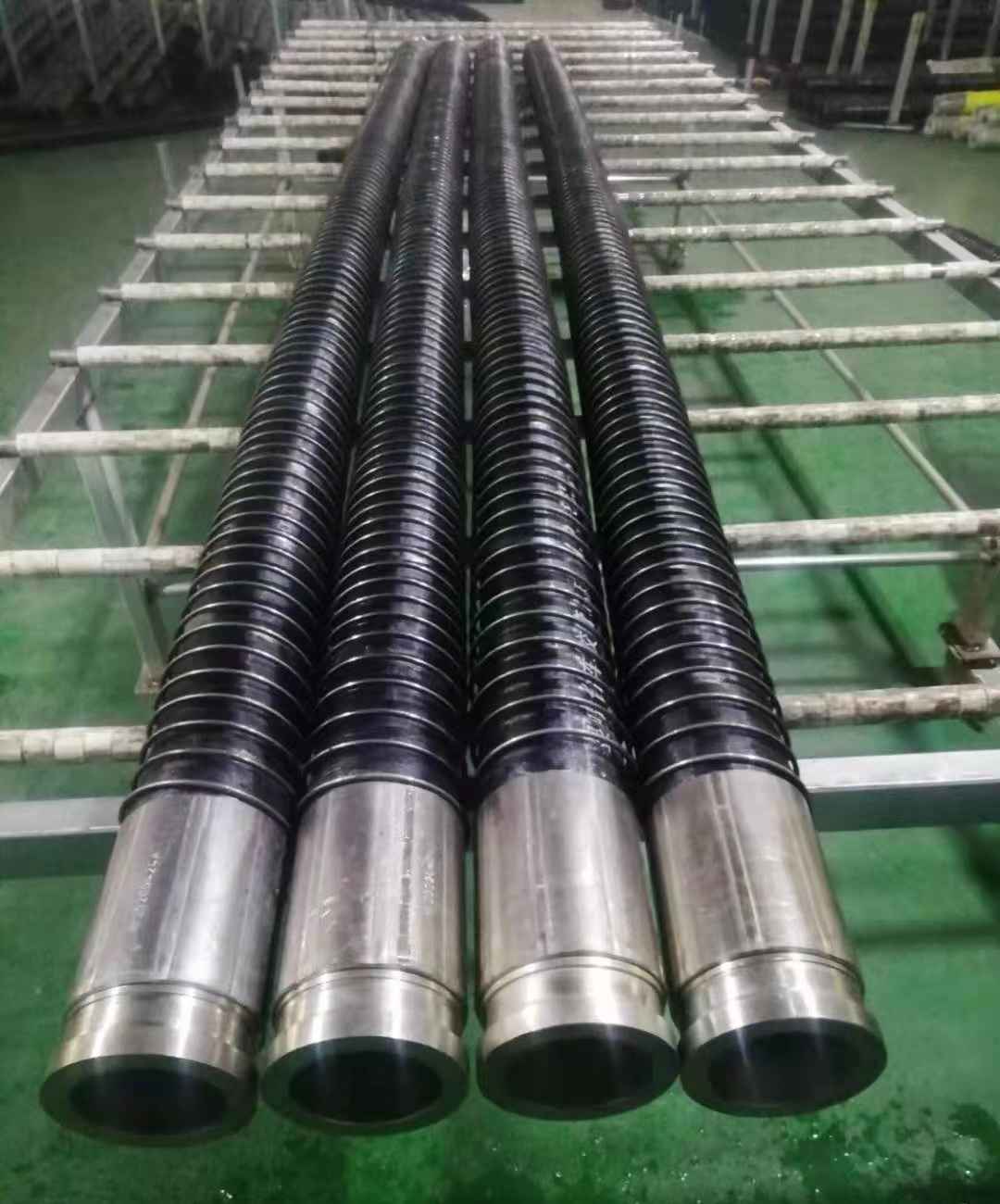
A concrete pump end hose is a specialized rubber hose designed for the final stage of concrete pumping operations. Positioned at the discharge end of concrete boom pumps and line pumps, this flexible hose directs concrete flow precisely where needed on construction sites.
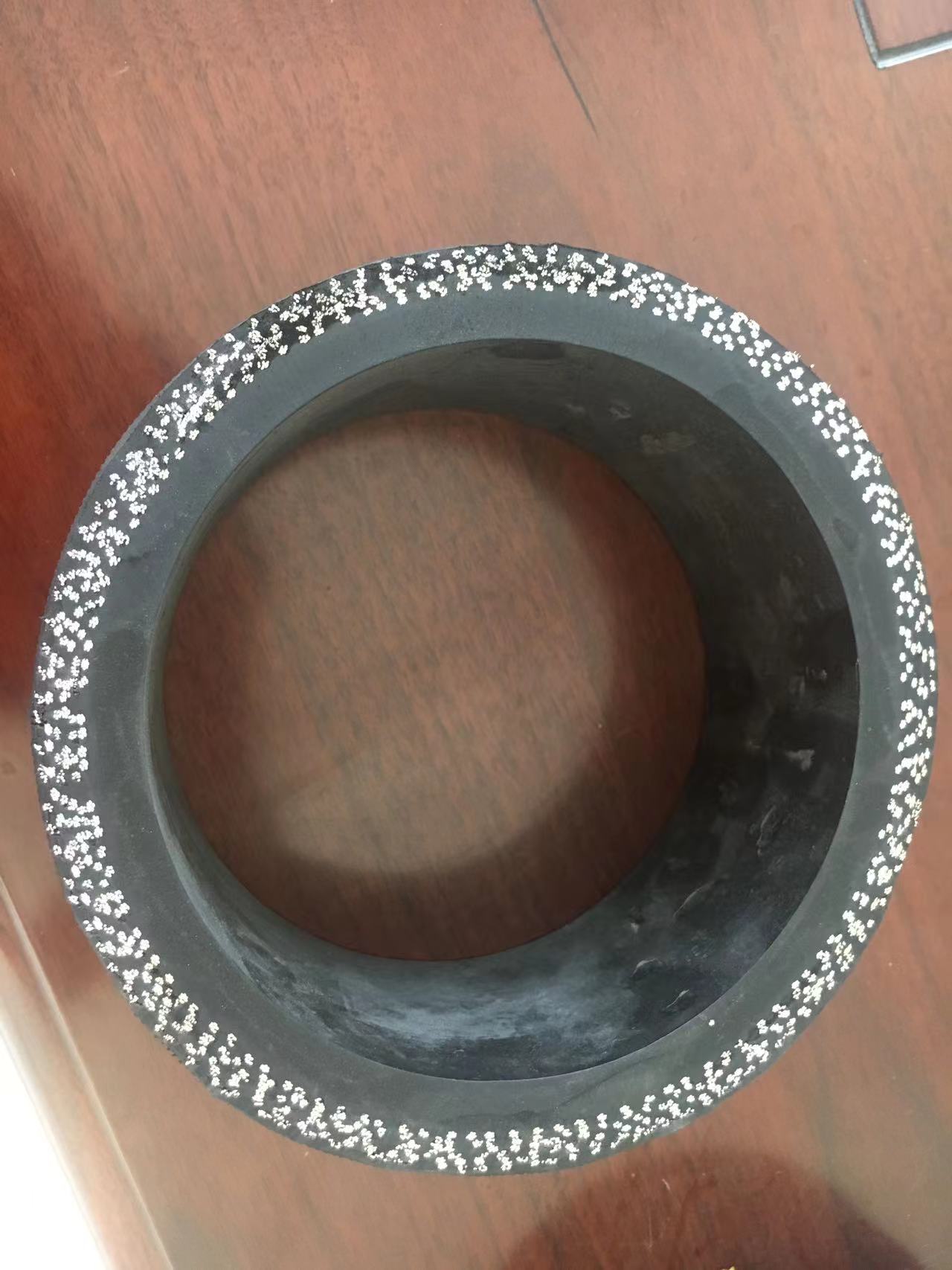
These hoses withstand extreme abrasion from pumped concrete mixtures, typically handling pressures up to 85 bar (1,200 psi). Manufactured with reinforced wire or textile braiding, quality hoses ensure reliable performance under demanding conditions. Learn more about concrete pump technology on Wikipedia.

Concrete Pump End Hose Specifications
Standard Sizes
The most common specification is the DN125 concrete pump end hose, featuring a 125mm (5-inch) internal diameter. Other sizes include DN100 (4 inches) and DN150 (6 inches) to match various pump configurations.
Pressure Ratings
Quality hoses operate at 60-85 bar working pressure, with significantly higher burst pressures for safety margins. The ASTM International standards provide testing guidelines for industrial hoses.
Length Options
Standard lengths range from 1-3 meters, with custom lengths available. End fittings include heavy-duty flanges compatible with Schwing, Putzmeister, and Cifa pumps.
Temperature Range
Industrial-grade hoses function from -30?C to +80?C, accommodating diverse climates.
Applications of Concrete Pump End Hoses
High-Rise Construction
End hoses enable precise concrete placement where boom pumps cannot reach directly, allowing operators to navigate obstacles.
Infrastructure Projects
Bridge decks, tunnels, and highway construction benefit from end hose maneuverability in confined spaces.
Residential and Commercial Building
For foundation pours and slab work, end hoses provide necessary reach for smaller pumping operations.
Shotcrete Operations
Specialized end hoses handle sprayed concrete for slope stabilization and tunnel lining projects.
Material Construction Features
Inner Tube
Natural or synthetic rubber compounds (SBR, NBR) provide high abrasion resistance against sand, gravel, and cement.
Reinforcement Layers
Steel wire or textile braiding prevents expansion under pressure and maintains dimensional stability.
Outer Cover
Weather-resistant compounds protect against UV damage and physical abrasion.
End Fittings
Steel flanges or iron couplings create secure, leak-proof connections.
How to Choose a Concrete Pump End Hose
When sourcing hoses, consider:
Manufacturer Experience
Select suppliers with 15+ years in rubber hose manufacturing for consistent quality. Shandong Zhongliao brings two decades of expertise to the industry.
Quality Certifications
ISO 9001 certification indicates standardized processes. Request pressure test documentation.
Compatibility
Ensure fittings match your pump equipment standards.
Abrasion Resistance
Request test data comparing lining durability against industry benchmarks.
Warranty Coverage
Reliable manufacturers provide product warranties and technical support.
Concrete Pump End Hose Maintenance
Pre-Operation Checks
Inspect for external damage, fitting integrity, and coupling tightness before each use.
Cleaning Protocol
Flush thoroughly with water after use to prevent concrete buildup.
Storage Guidelines
Store away from sunlight and extreme temperatures. Coil loosely to prevent kinking.
Rotation Strategy
Rotate hose positions to distribute wear evenly.
Frequently Asked Questions
How long does a concrete pump end hose last?
Quality hoses typically deliver 15,000-30,000 cubic meters of concrete under normal conditions. Regular maintenance extends service life significantly.
What causes premature hose failure?
Excessive bending, over-pressure operation, inadequate cleaning, and chemical exposure are common causes. Using genuine concrete pump hoses from reputable manufacturers prevents premature failure.
Can I use standard rubber hose instead?
No. Standard hoses lack abrasion-resistant lining and high-pressure reinforcement required for concrete pumping.
Conclusion
The concrete pump end hose is essential for efficient concrete placement. Understanding specifications and maintenance requirements optimizes equipment performance.
Shandong Zhongliao Concrete Pump Parts Co., Ltd. brings 20 years of experience delivering reliable hoses meeting international standards. Contact us for your concrete pump end hose requirements.